
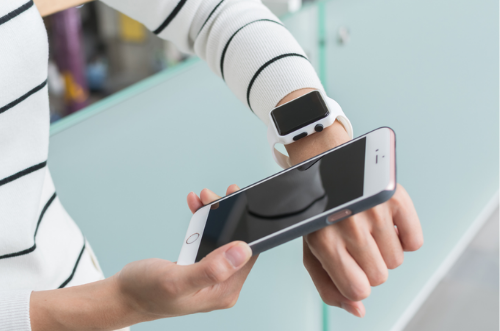
Digital evidence is everywhere. Digital devices have become integral to our everyday lives – mobile phones (such iPhones or Androids) and tablets (such as iPads) are just some examples, and each device may contain the key evidence within a case. Our Mobile/Digital Experts use specialist techniques to safely examine digital devices whilst maintaining the original evidence in line with the Forensic Science Regulator’s Code of Practice, thereby ensuring their findings are suitable for presentation in criminal, civil, or other proceedings. Our Mobile and Digital Experts’ caseload is not restricted to criminal law. In the business arena intellectual property theft, data leakage, industrial espionage and employment tribunals are just some of the areas in which our investigative, analytical and technical skills and experience have been exceptionally effective.
Much of our work in this area falls within our scope of accreditation. Keith Borer Consultants is a UKAS accredited testing laboratory No. 4252, accredited to the international standard ISO17025, and compliant with the Forensic Science Regulator’s statutory Code of Practice. Our accreditation is limited to those activities described on our UKAS schedule of accreditation found here.
Cases involving Indecent Images of Children, Prohibited Images of Children, and Extreme Pornography form a major part of our mobile experts’ caseloads. We are able review the classification of such images and identify misclassification or images in which there may be a significant amount of reasonable doubt. We will also draw attention to any case law that may be relevant to the charges. Establishing how the images came to be on the device, what search terms were used, and who may have been responsible is our speciality. In this type of case, it is critical to distinguish between the mere existence of files or images and evaluative evidence that serves to reliably establish their provenance.
For example, assessing the actual or likely source of such material and whether the evidence supports an assertion that the defendant was deliberately seeking the charged material, or if it was inadvertently accessed is crucial in proving or disproving intent. It is also important to consider any alternative explanations put forward by your client, such as another user of the device being responsible for the presence of the material. It is also important to consider any alternative explanations put forward by your client. Such a full analysis has become critical when prosecuting authorities rely solely on a Streamlined Forensic Report (SFR) or similar, which may contain very little analysis of the circumstances.
Each year our highly experienced experts undertake dozens of computer examinations for all types of offences. Examples of our work include:
Our commitment to you is to provide an accurate, complete and unbiased report in plain English. If it is necessary to use technical terms, then these will be explained. Often, when subjected to expert scrutiny, evidence that initially appears to be convincing or even overwhelming may be shown to be incomplete or misinterpreted. As further reassurance, you will also have direct access to our experts to discuss their findings, which is of particular benefit in a complex case. We will also be fully open with you in those relatively rare cases in which analysis is or is likely to be uncertain in its outcome.
If you would like to discuss a case involving mobile phone evidence, you can talk directly our digital forensics experts at our Durham office on 0191 332 4999 or email kbc@keithborer.co.uk.

