
April 20 2026
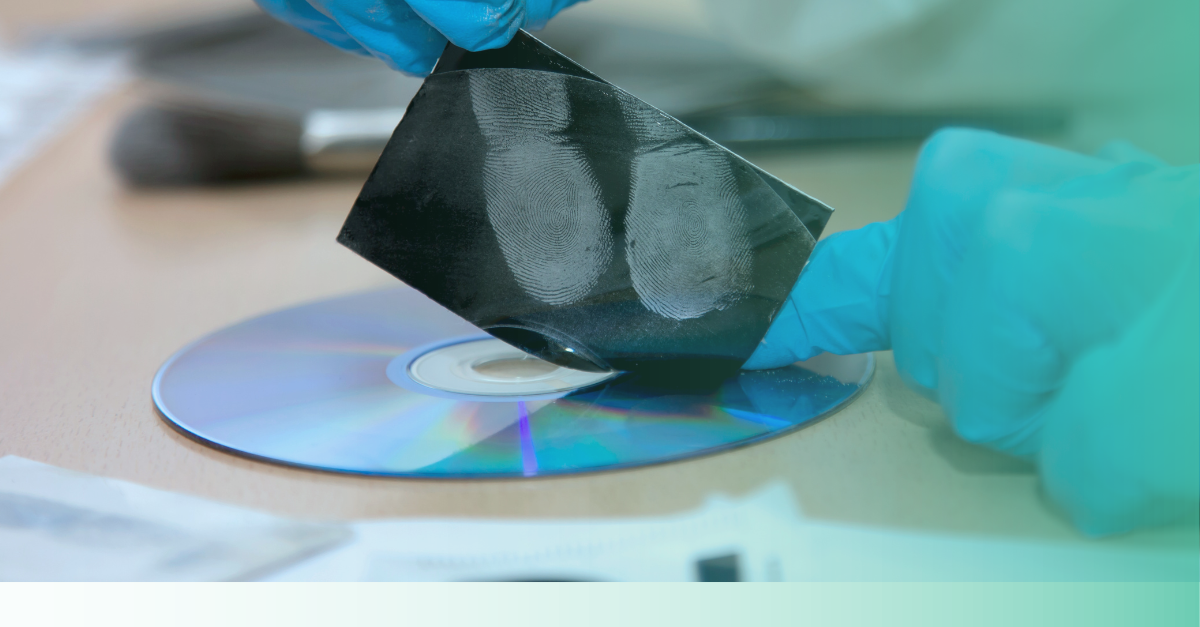
For more than 100 years fingerprint evidence has been regarded as the stalwart of the forensic arsenal, but is this reputation always well-deserved?
Within our casework we’ve seen too many cases where fingerprint comparisons or the wider interpretation of fingerprint evidence simply doesn’t hold up. Over the next few weeks we’ll be showcasing some of these examples, explaining what went wrong and, of key importance, how we spotted it. In our first two articles we’ll focus on issues surrounding mark identification and then move on to look at the impact of assumption when assessing how and when fingerprints were deposited. By the end of the series, you’ll hopefully have gained insight into the potential pitfalls of fingerprint evidence, and an appreciation of why it should be challenged.
Every year, thousands of people are charged with offences in criminal matters as a result of fingerprint evidence, and commonly fingerprint evidence founded in a search of a National Fingerprint Database . Historically, when a person was charged with an offence the police would take a fresh set of reference prints and these would be used for subsequent evidential comparisons, however since COVID this has become less commonplace; instead fingerprint officers may rely on reference forms held on file, identified to the suspect by virtue of a name and date of birth given at the time of a previous arrest.

In a recent case, several fingerprints on a motor vehicle were correctly identified to a reference form that bore the same name and date of birth as the defendant. The defendant maintained their innocence, so we took a fresh set of fingerprints directly from them; a necessity to fully check the prosecution’s evidence. When we compared these against the prints on the police reference form, none of the fingerprints matched; the two sets of fingerprints were from two different people. This meant that even though the fingerprints on the vehicle had been correctly ‘identified’ to the police reference form, they were not those of the defendant.
It could be argued that errors like this are likely to be rare, but are they, and would that be any consolation if you were the person identified to the wrong set of fingerprints in a criminal matter? As the remedy here is quite simple; take fresh reference prints if someone maintains fingerprints aren’t theirs, even if the error rate is low it’s certainly worth going the extra mile and not simply relying on materials provided by the police.
Next week we’ll take a look at a different issue affecting identification. In the meantime, if you have a case where fingerprint evidence is disputed by your client, be sure to drop us a line.
Keith Borer Consultants is a leading provider of forensic science expert witness consultancy and has been providing services to the Criminal Justice System for more than four decades. If you have a case involving disputed fingerprint evidence, or any of the broad range of specialisms our numerous experts cover (see our website), please do not hesitate to email kbc@keithborer.co.uk or call us on 0191 332 4999.