
September 24 2026
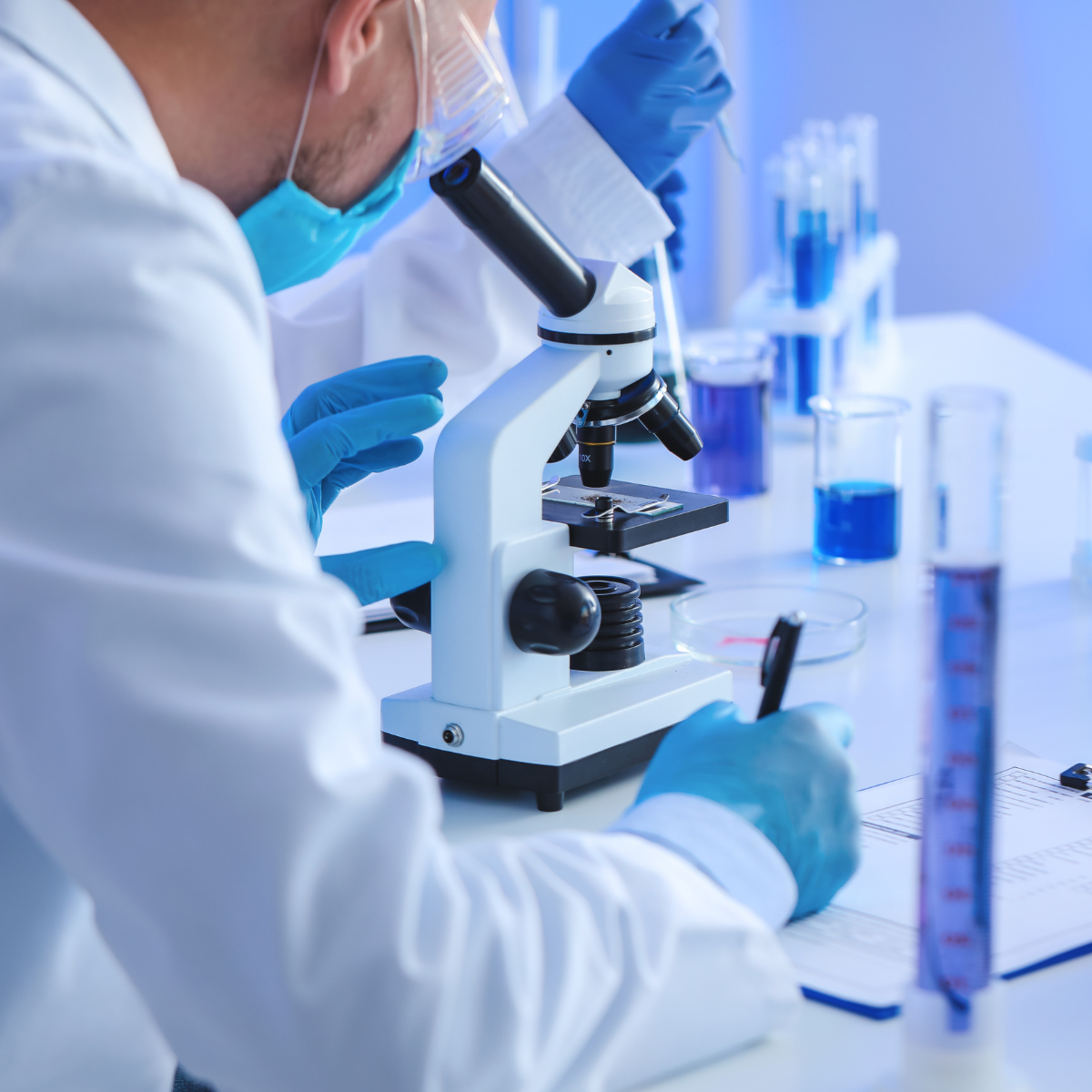
This is the third part in our series of articles looking at some of the challenges associated with DNA profile/forensic biology evidence. Over the last two weeks we’ve looked at A Question of "Who?" and A Question of "What?"; this week we’re going to take a look at relevance, and A Question of 'When?'.
Whilst there will clearly be situations where biological deposits inescapably link to an incident (for example, blood staining transferred during a street fight between strangers or semen staining deposited during an isolated sexual encounter), it’s well documented that there is no scientific method for ageing DNA or body fluid staining and therefore if circumstances do not compel relevance, care must be taken before assuming biological evidence to be probative. To illustrate this point, we’ve seen real world examples of:

It would, however, be an oversimplification to suggest that in all situations the age of DNA/biological material cannot be determined/inferred. For example, the timing of a last wash may limit the age of a biological deposit, ‘fresh’ and ‘old’ bloodstaining may be distinguishable based on stain appearance, and semen deposited into body cavities will persist for only hours or days. Where any of these factors come into play they may distinguish disputed accounts of events, and we’ve previously illustrated this by reference to a case where the age of semen on a mouth swab could be inferred (or at least the prospect of it being old could be discounted), which supported a defendant’s account of a sexual encounter including oral intercourse (see here).
The key point is that biological evidence may or may not be incident relevant and it may or may not be possible to address when biological deposits were introduced to an item or person. Do Not Assume that the findings in one case necessarily apply to another, or that the age of a DNA deposit can be implied if this hasn’t been specifically commented on. If in doubt, ask an expert!

Next week we’ll be concluding our series by looking at arguably the main issue that affects the significance of DNA profile/forensic biology evidence; how biological material was deposited. No spoilers, but this will include another example of a case where all was not as it first seemed. You don’t, of course, have to wait to contact us if you have a case involving disputed DNA profile/forensic biology evidence; just give us a call or drop us a line at your convenience and we’d be happy to help.
Keith Borer Consultants is a leading provider of forensic science expert witness consultancy and has been providing services to the Criminal Justice System for more than four decades. If you have a case involving disputed DNA or forensic biology evidence, or any of the broad range of specialisms our numerous experts cover, please do not hesitate to email kbc@keithborer.co.uk or call us on 0191 332 4999.

