
September 17 2026

This is the second part in our series of articles looking at some of the challenges associated with DNA profile/forensic biology evidence. Last week we shone a spotlight on ‘A question of ‘Who?’; this week we’re going to take a look at a wider issue - the leap from ‘Who?’ to ‘What?’, with illustration of how assumptions can massively skew what findings actually show.
DNA profiling and forensic biology findings are frequently initially reported via Streamlined Forensic Reports (SFR1) that often reduce complex findings to brief statements such as “saliva was detected” or “the DNA matches the suspect”. It’s tempting here to assume the statements are linked and that the DNA comes from the named body fluid, but is this always safe?
In one of our recent cases, an SFR1 reported that a driver’s airbag had tested positive for saliva and that a sample taken from the airbag had produced a mixed DNA profile in which the defendant’s DNA was prominent. It was inferred from this that the defendant’s face must have contacted the airbag at the time of the collision; an inference that became central to the prosecution’s case.
Setting aside that the test for saliva is presumptive and therefore only indicates the possible presence of saliva, examination of the findings revealed that:
The findings therefore did not establish with certainty that saliva was present, did not exclude other cellular materials from having been present, and did not link the defendant’s DNA specifically to any saliva.

Once those limitations were appreciated it was clear that there was no scientific foundation to the assumption that the airbag must have come into contact with the defendant’s face, and an account of simply touching it could explain the DNA profiling results. As the defendant accepted being in the car and touching the driver’s airbag as he climbed out through the driver’s door, findings that appeared probative when predicated on assumptions that saliva from the defendant was present, were ultimately accepted to be meaningless when their limitations were appreciated.
Similar issues arise with samples taken from handled objects such as drugs wraps or weapon handles. Although DNA profiling is blind to cell type, the term “touch DNA”, which is often used to describe such samples, encourages the unsupported assumptions that the DNA is from cellular debris transferred from skin contact. Whilst you might think it fanciful to suggest that saliva or semen were present, what about if the drugs or weapon had been placed onto well used bedding in the course of their seizure - which we’ve seen more than once? And what about if you don’t know the history of an item, is it then safe to assume what’s on it? Just because a cellular material wasn’t looked for, or wouldn’t be expected to be present, doesn’t mean it wasn’t there; assuming otherwise runs the risk of constrained thinking, rejecting explanations that are actually possible and potentially overstating the probative value of whatever’s been found.
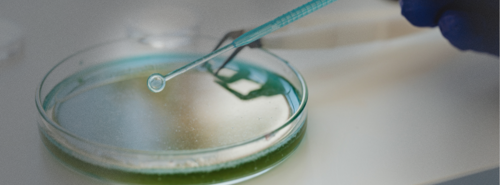
When reviewing forensic biology findings, it is essential to distinguish between what has been tested for, what has been demonstrated, and what is merely inferred. If the source of DNA is not stated, Do Not Assume.
Next week we’ll move on from the questions of ‘Who?’ and ‘What?’ to look at ‘relevance’, and specifically issues surrounding what DNA profile/forensic biology evidence tells us about ‘When’ detected materials were deposited. In the meantime, if you have a case where any aspect of DNA profile/forensic biology evidence is disputed, be sure to drop us a line.
Keith Borer Consultants is a leading provider of forensic science expert witness consultancy and has been providing services to the Criminal Justice System for more than four decades. If you have a case involving disputed DNA or forensic biology evidence, or any of the broad range of specialisms our numerous experts cover please do not hesitate to email kbc@keithborer.co.uk or call us on 0191 332 4999.

